Automatic Open-Mouth Bagging Line
For 10–50 kg open-mouth bagging lines based on KAP Series.
Start with the main line type, then configure a preliminary proposal based on material, bag type, filling weight, target capacity, sealing, checking, conveying and palletizing requirements.
For 10–50 kg open-mouth bagging lines based on KAP Series.
For fine, ultrafine or sticky powder applications based on KBF Series.
For flexible production settings with manual or semi-automatic operation.
From automatic weighing, open-mouth bagging, and bottom-up powder filling to bag closing, inspection, conveying, palletizing, and pallet load covering, KWLE configures equipment modules for complete industrial packaging lines.
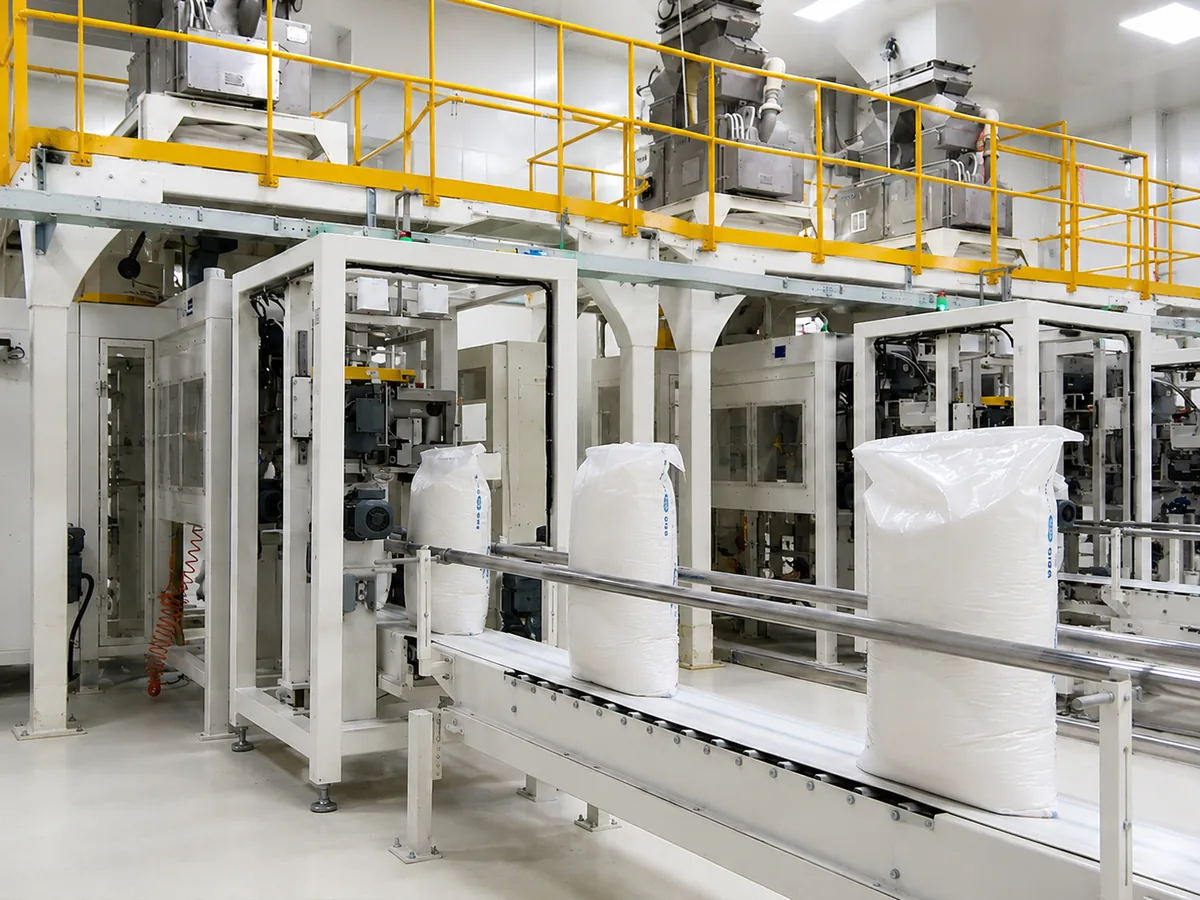
Automatic open-mouth bagging lines for granules, pellets, flakes, coarse materials, and selected powders.
Typical use
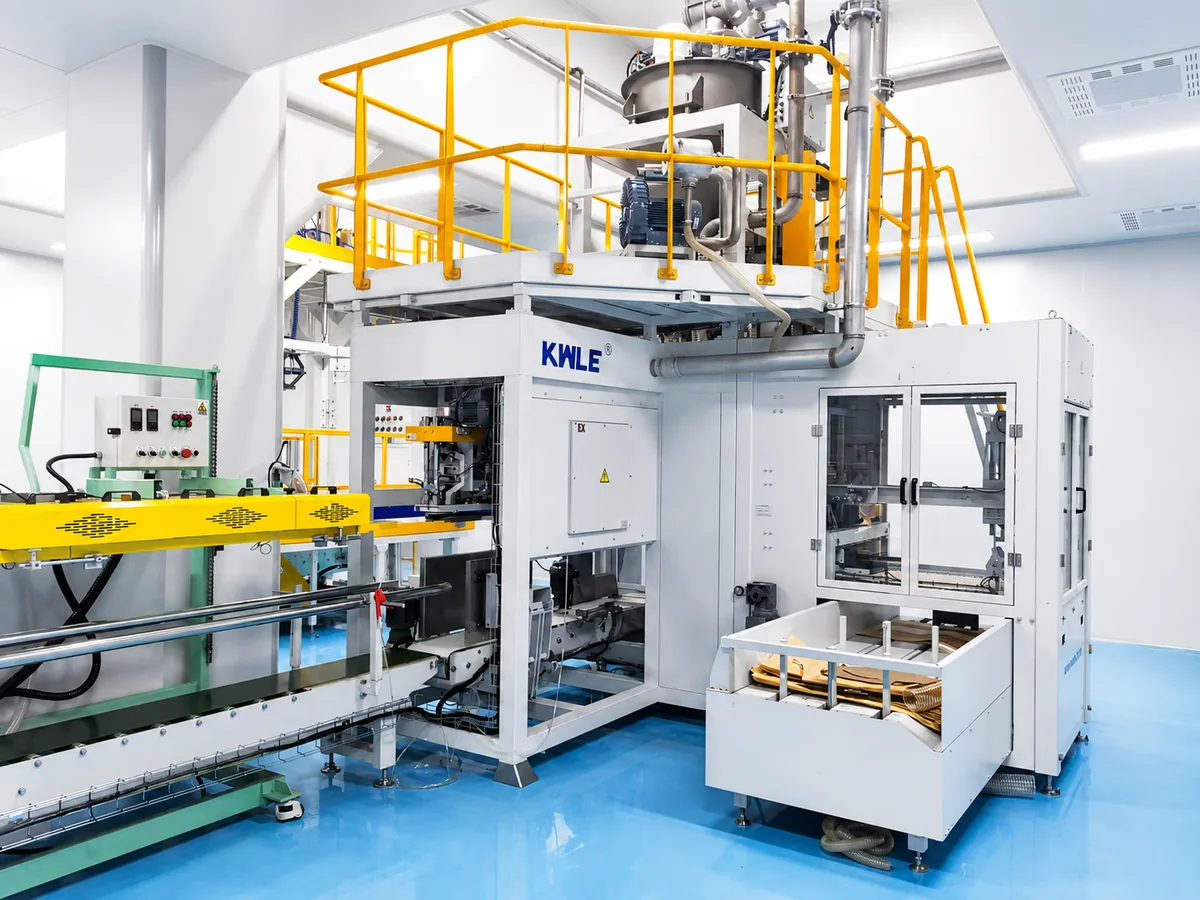
Bottom-up powder filling lines for powder materials that require controlled filling, air release, bag-mouth cleaning, and heat sealing.
Typical use
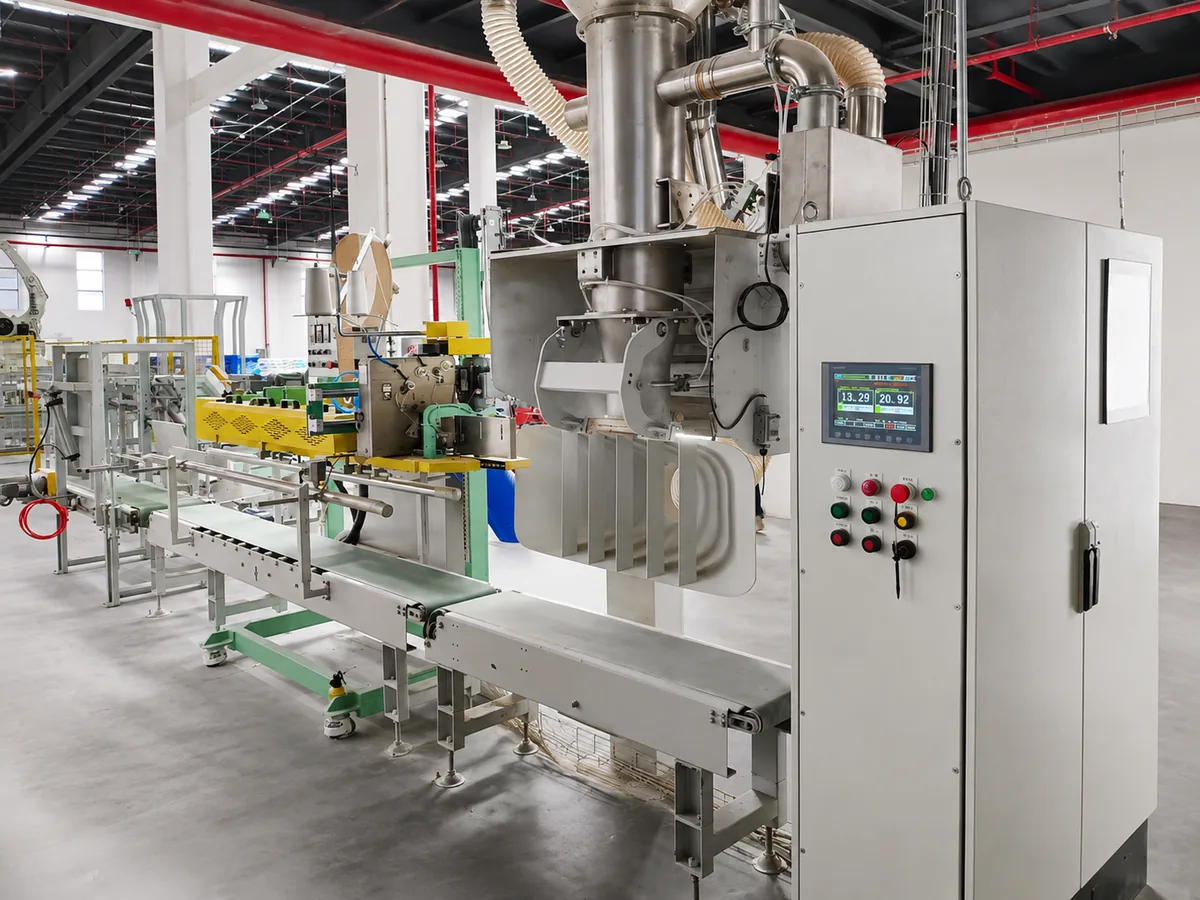
Manual and semi-automatic bagging stations for operator-assisted industrial bagging projects.
Typical use
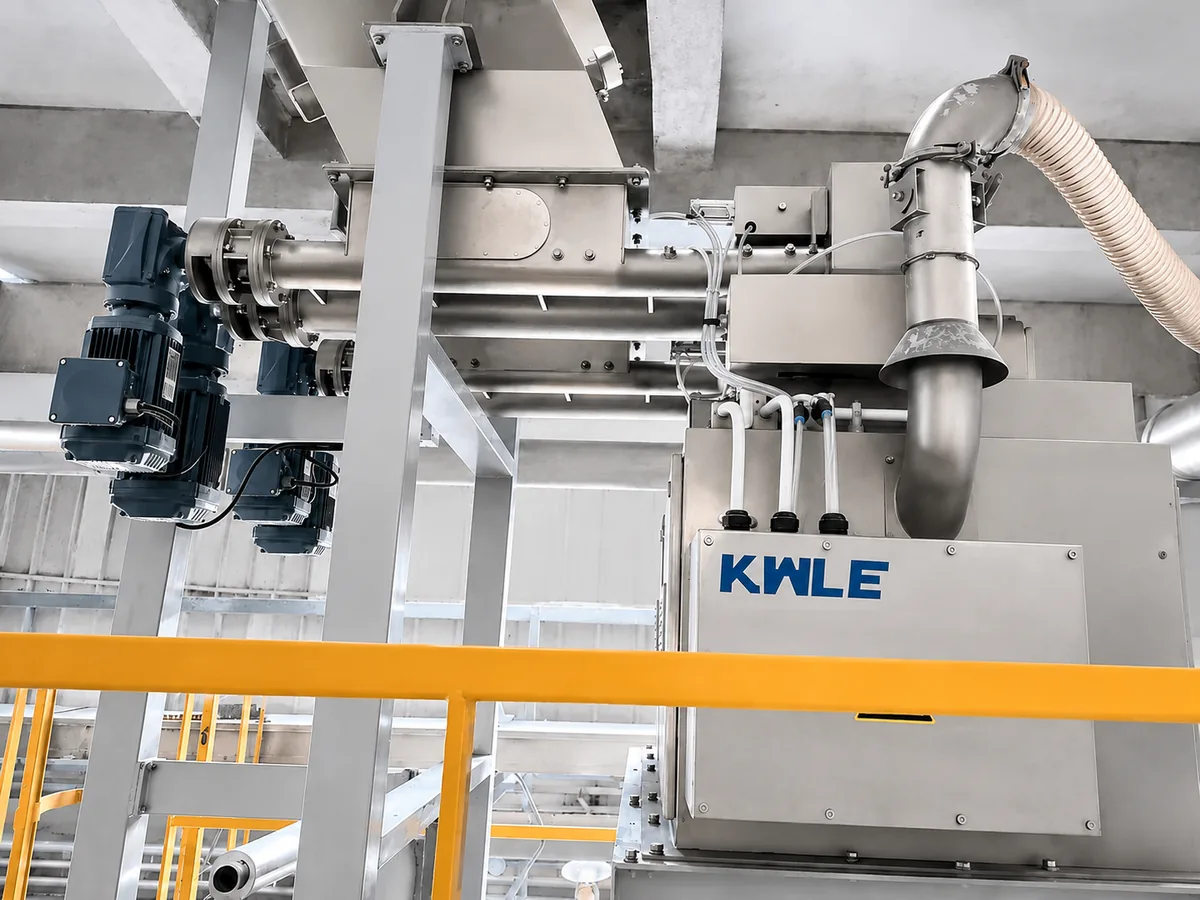
Integrated weighing and feeding modules for bagging lines, configured according to material properties and required capacity.
Key modules
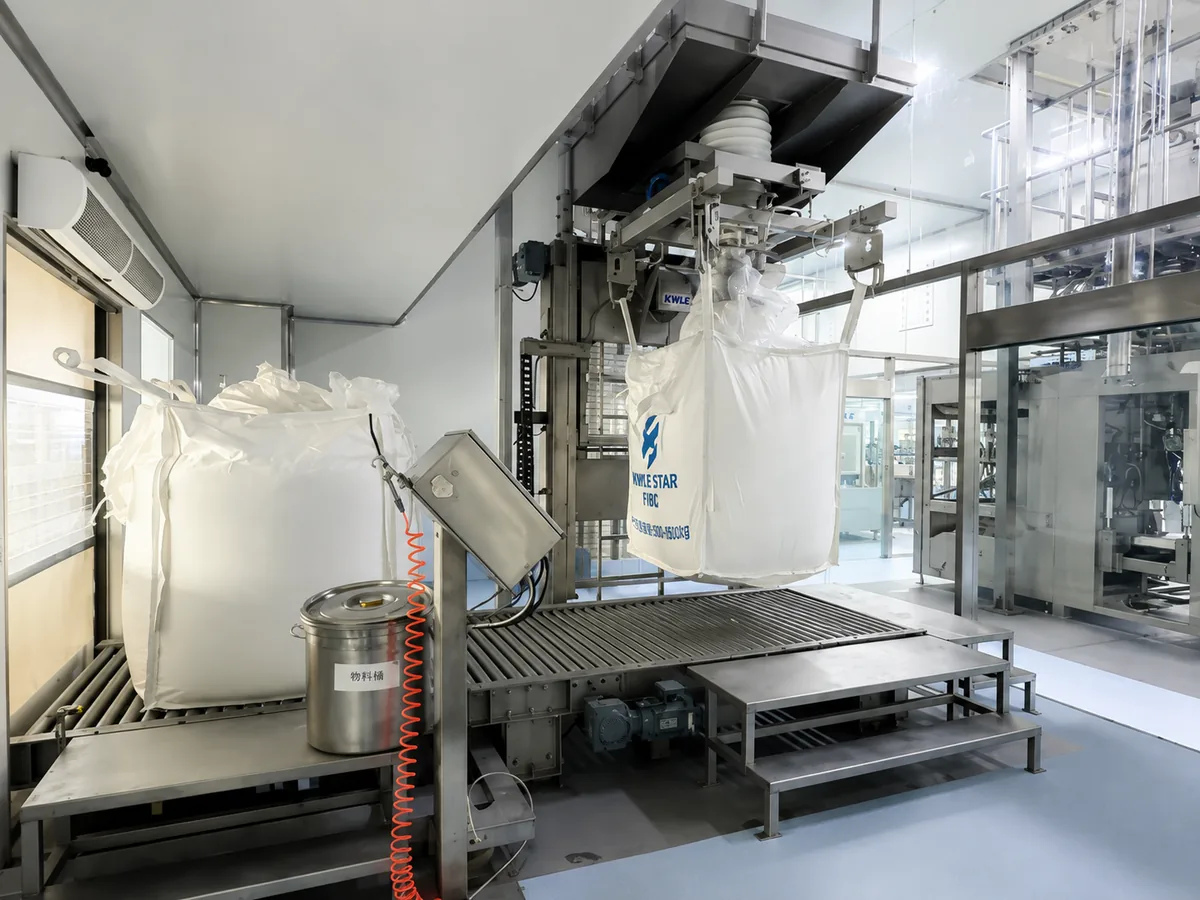
Bulk bag filling systems for industrial materials requiring stable weighing, bag handling, and filling control.
Typical use
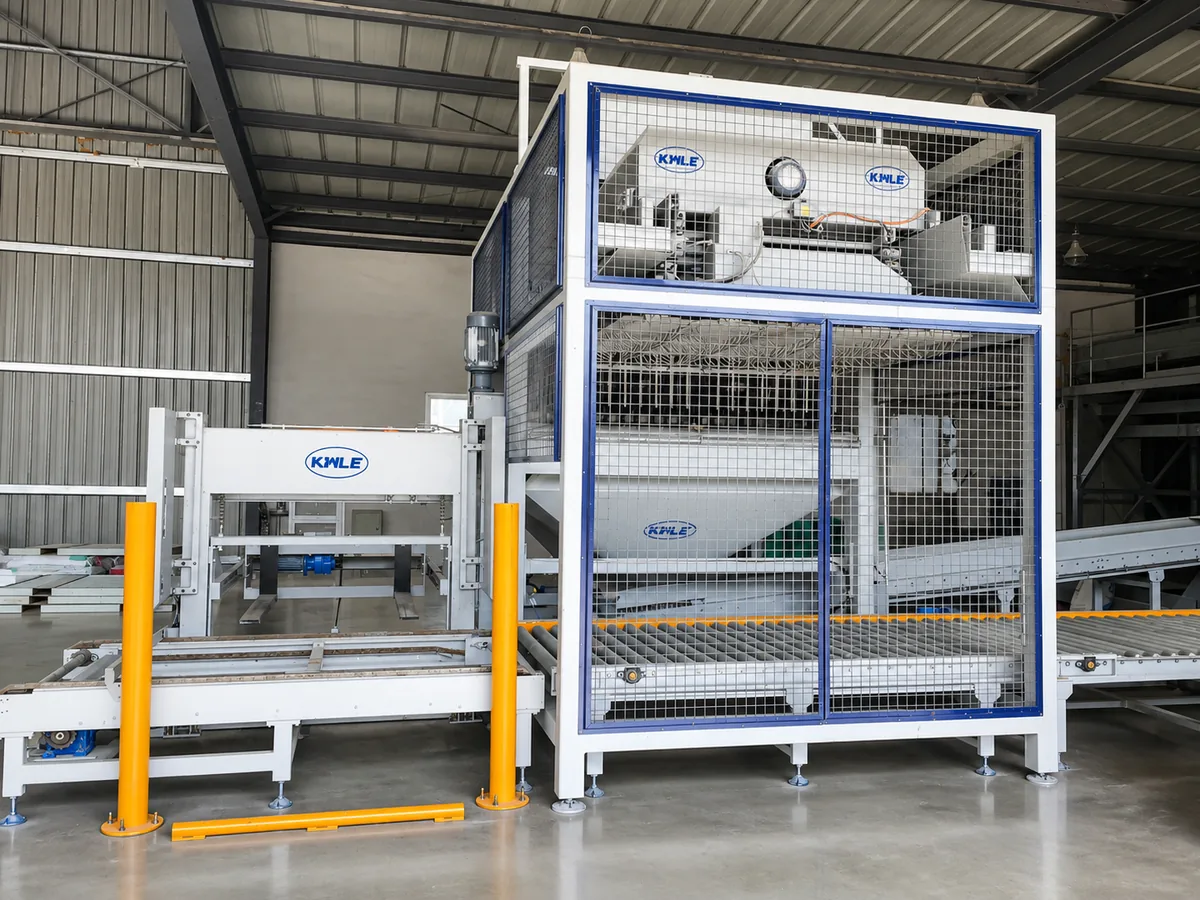
Automatic small-bag emptying systems for downstream process feeding and material handling applications.
Typical use

For free-flowing granular materials and high-output open-mouth bagging.
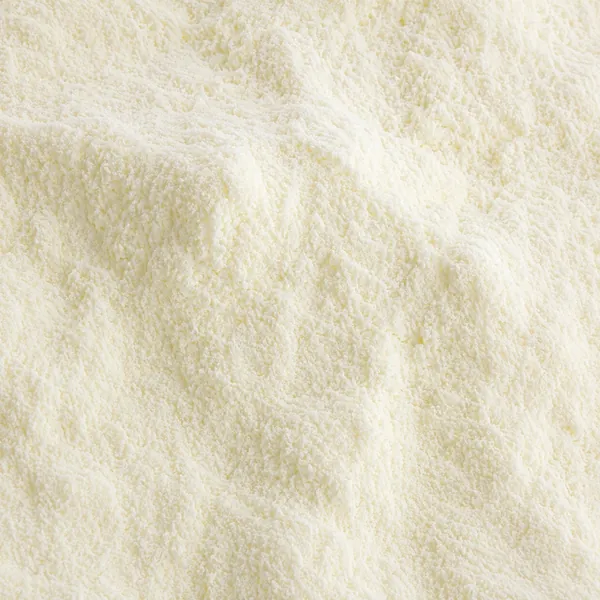
For controlled bottom-up filling of milk powder and related dairy powders.
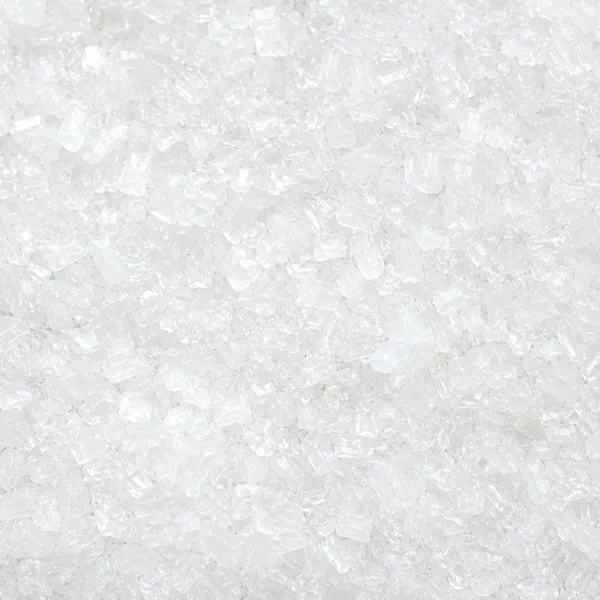
For crystalline granular or powder-blend materials requiring clean bag-mouth handling.
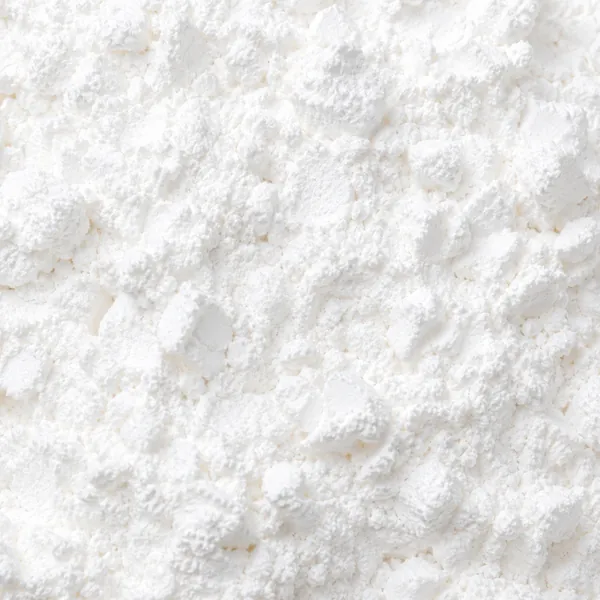
For starch powders requiring a project-specific weighing, filling, and closing route.
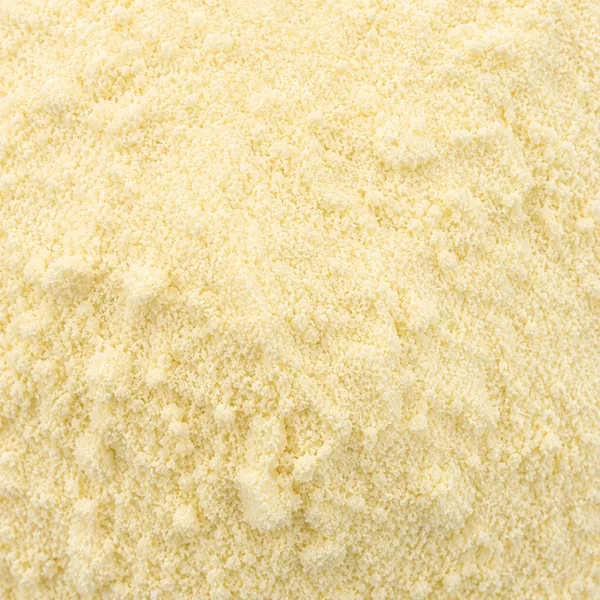
For fine ingredient powders requiring controlled filling and stable bag handling.
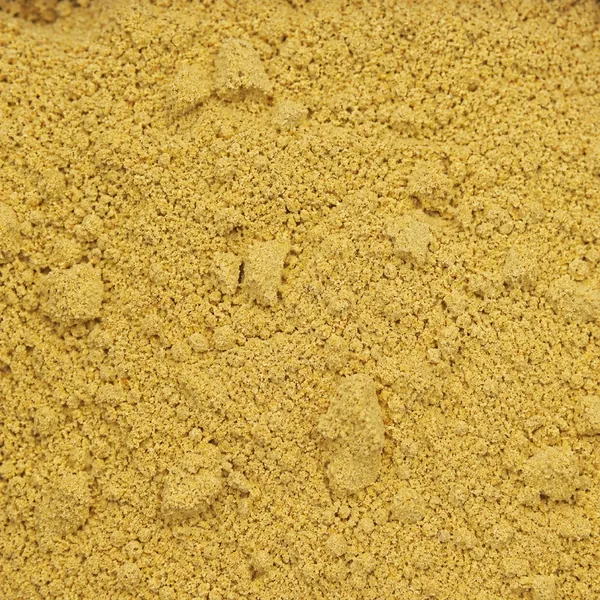
For feed pellets, granules, blends, and selected fine-powder premix materials.
Typical materials include glucose powder, starch, milk-powder-like products and other fine or sticky powders. The solution focuses on bottom-up filling, dust control, stable bag filling and suitable powder handling across the line.
Stable dosing and controlled material feeding for consistent bagging performance.
Automatic or semi-automatic bagging machines matched to material, bag type, and required capacity.
Heat sealing, folded-edge sewing, or other closing methods selected according to bag material and application requirements.
After bag closing, filled bags are turned from an upright position to a lying position for downstream inspection and conveying.
Inline checking helps verify finished bag weight and detect metal contaminants when required.
Non-conforming bags can be automatically discharged from the line for separate handling.
Robotic palletizing stacks finished bags into stable pallet patterns for downstream logistics.
Stretch wrapping or stretch hooding can be added to protect finished pallets during storage and transport.
Preliminary line layout, equipment selection and process matching.
Mechanical and electrical installation guidance based on project requirements.
On-site or remote commissioning support for bagging line start-up.
Training for daily operation, adjustment and basic troubleshooting.
Recommended spare parts list and long-term parts supply.
Remote diagnosis and engineering support after delivery.
Share your material, bag type, filling weight, target capacity, sealing method, palletizing requirement, and site layout or available space. KWLE will support a preliminary line proposal with project-based engineering support.
Send Your Requirements