Bulk Bag Filling Platforms

FIBC Filling Systems

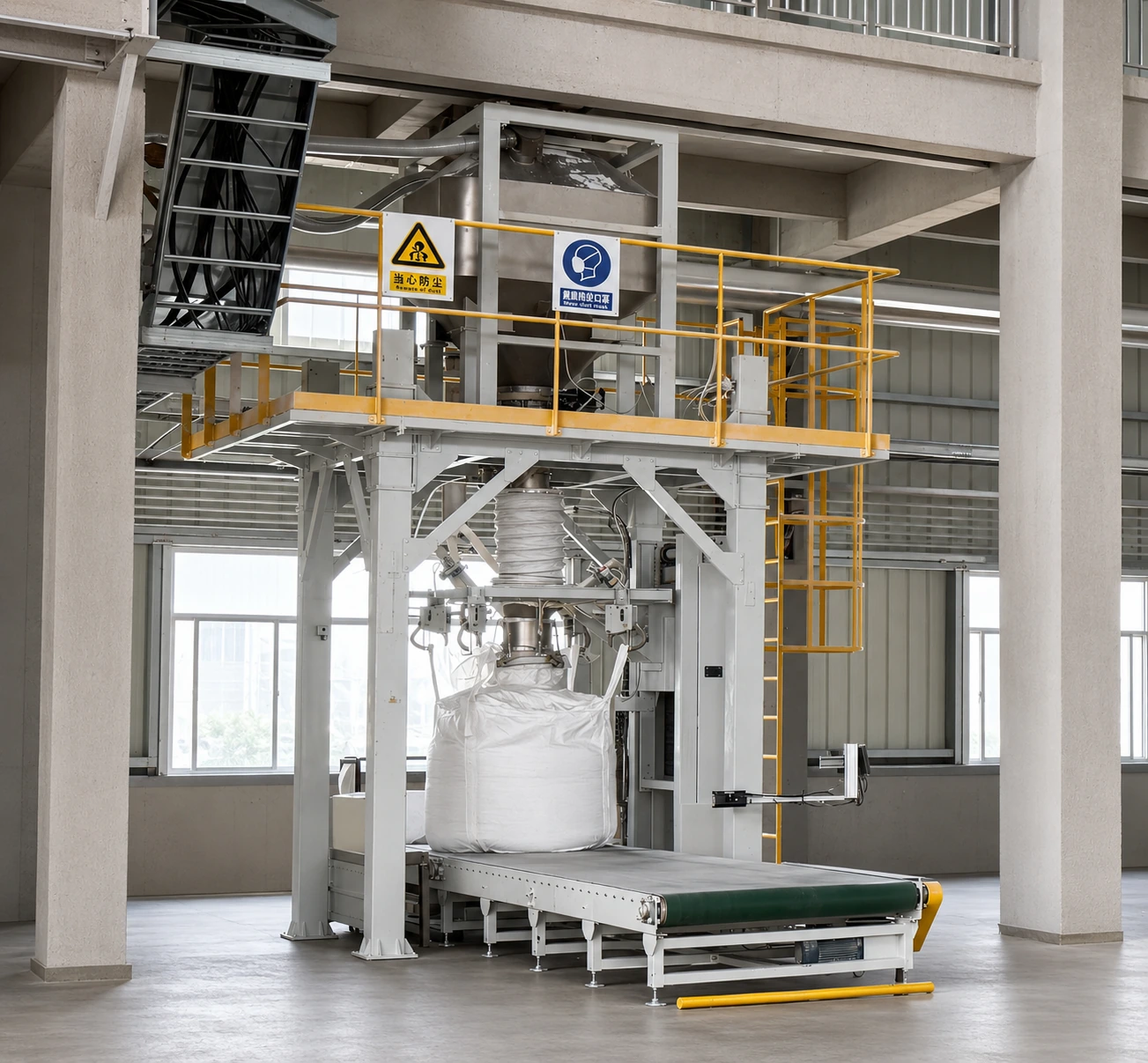
KWLE FIBC filling systems are semi-automatic bulk bag filling platforms for 500–1500 kg FIBC bulk bags. The system can be configured with gross weighing or net weighing according to material characteristics, weighing requirements, filling rhythm and site layout.

500–1500 kg FIBCGross weighingNet weighingBulk materialsFlexible configuration
PROD-FIBC-HERO-01
Product Visual

How FIBC Filling Systems Are Selected

FIBC filling systems are first selected by weighing method. Gross weighing fills and weighs the FIBC at the same station, while net weighing pre-weighs the material before discharging it into the FIBC. Additional configurations such as dust collection, densification, deaeration, vibration assistance, pallet handling and conveying are selected according to material behavior and site layout.

FIBC Filling System Platforms

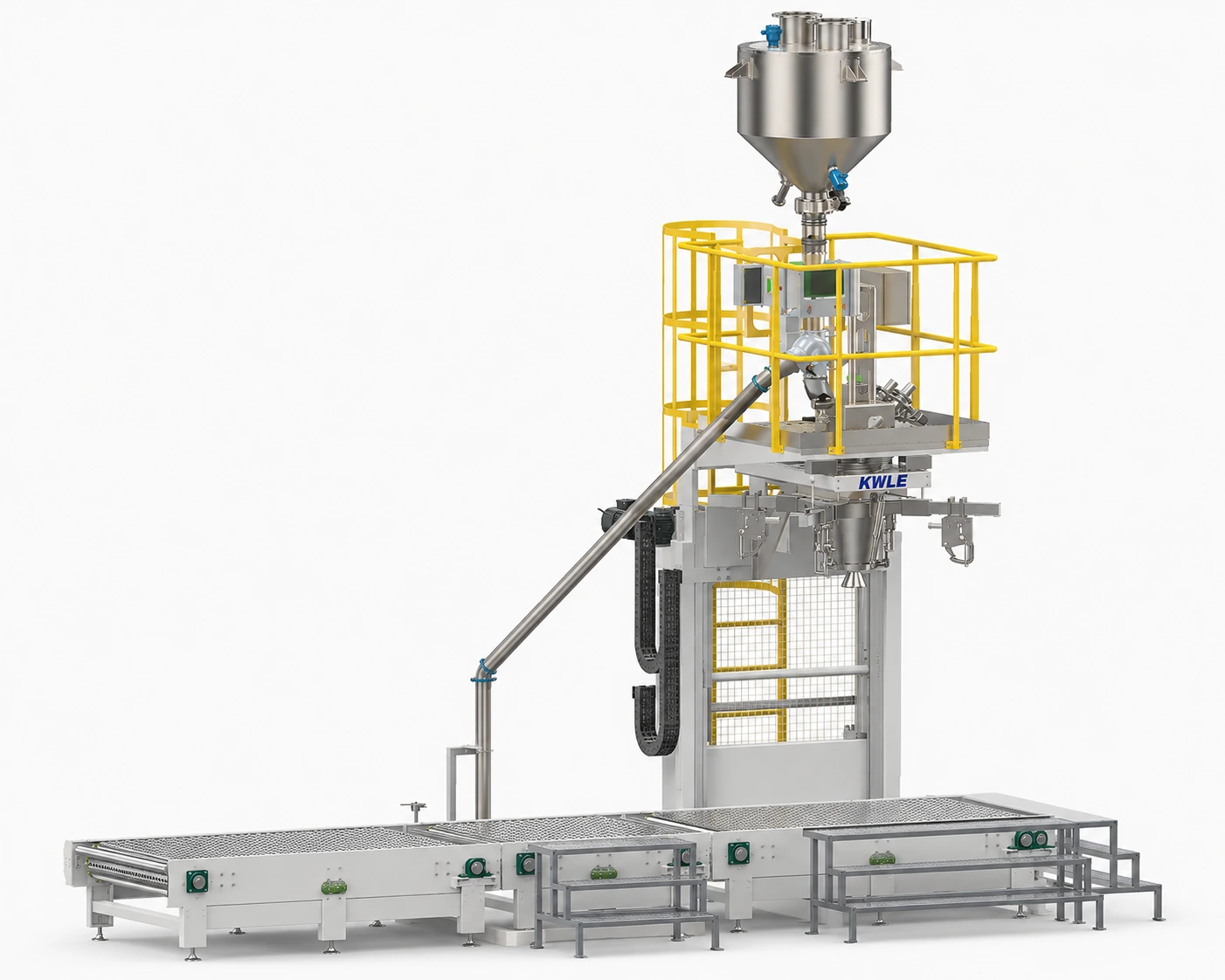
PROD-FIBC-GROSS-01
Configuration Visual

FIBC-GROSS

Gross Weighing FIBC Filling Station

The FIBC is supported and weighed during filling. This configuration provides a direct material path and is suitable for general bulk bag filling projects where filling and weighing take place at the same station.

Gross weighingUp to 30 bags/hourDirect filling500–1500 kg FIBCFlexible configuration
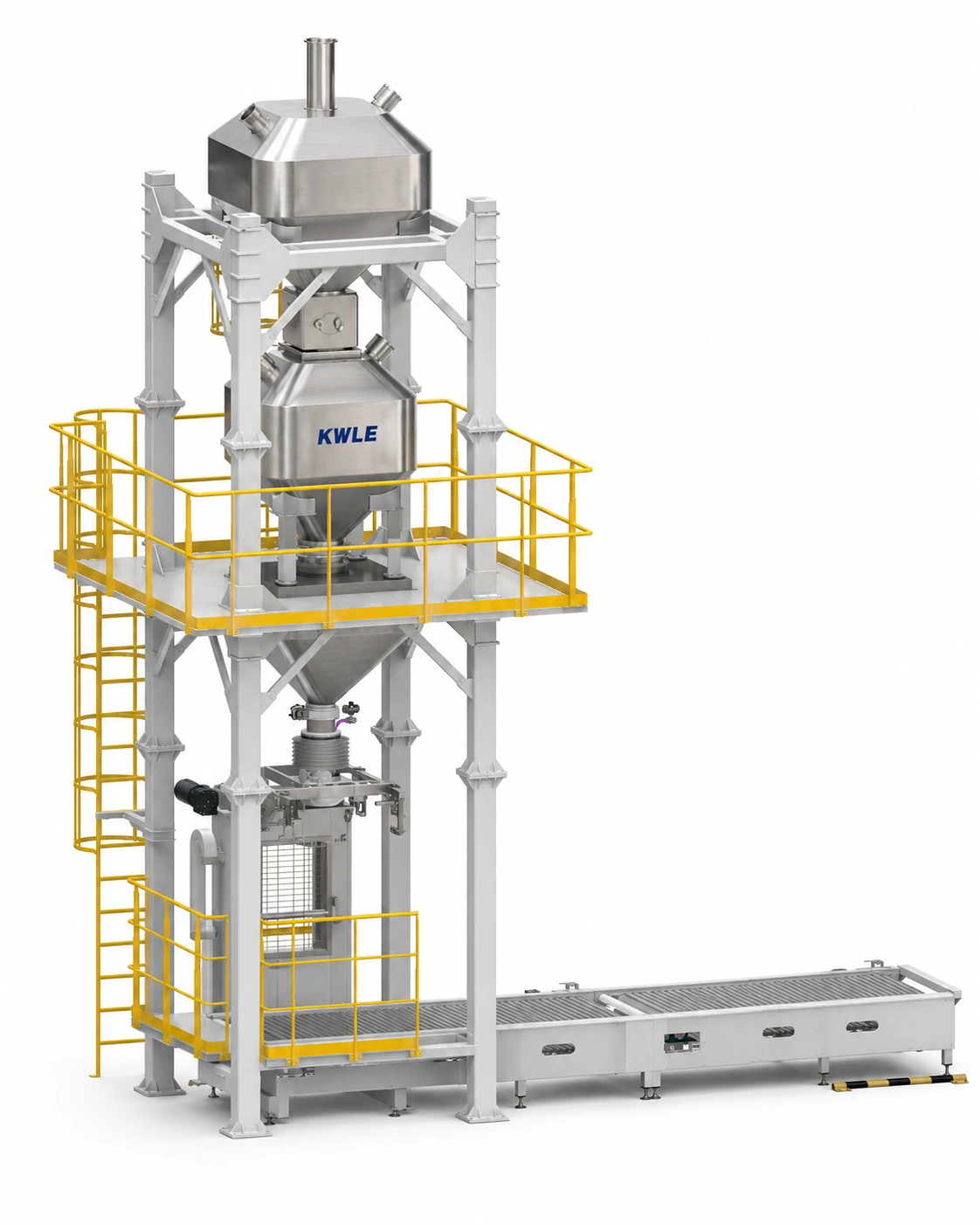
PROD-FIBC-NET-01
Configuration Visual

FIBC-NET

Net Weighing FIBC Filling Station

Material is pre-weighed in a weighing hopper before being discharged into the FIBC. This configuration is suitable when filling rhythm, weighing repeatability and coordinated bulk bag handling are important.

Net weighingUp to 60 bags/hourPre-weighed dischargeHigher filling rhythm500–1500 kg FIBC

Typical Materials

Citric AcidAnimal FeedFood AdditivesFeed AdditivesFertilizerPlastic PelletsMixed Bulk Materials

Key Features

Gross or net weighing platforms

FIBC-GROSS and FIBC-NET provide two basic weighing platforms for different filling rhythm, material path and weighing requirements.

500–1500 kg FIBC filling

Designed for industrial bulk bag filling applications using 500–1500 kg FIBC bulk bags.

Material-specific filling configuration

Feeding, filling, dust collection, deaeration or densification arrangements can be selected according to material flowability, air content, dust level and bag requirements.

Bag support and filling control

The filling station can support FIBC hanging, filling spout connection, weighing control and filled-bag discharge according to project layout.

Dust collection connection

Dust collection interfaces can be configured around the filling area when required by powder characteristics and site conditions.

Line-ready configuration

The filling station can be integrated with upstream feeding, pallet handling, roller conveyors or downstream material handling equipment according to project requirements.

Optional Configurations

  • Densification / vibration assistance
  • Product deaeration
  • Dust collection connection
  • Bag inflation / shaping
  • Pallet and conveyor handling
  • Full stainless steel construction
  • Coding / labeling interface

Technical Specifications

Filling weight range
500–1500 kg
Bag type
FIBC bulk bags
Weighing method
Gross weighing or net weighing
Filling operation
Semi-automatic FIBC filling
Feeding method
Project-specific according to material characteristics
Bag handling
Manual bag hanging with configured filling and discharge arrangement
Power supply
380/400V, 3PH, 50Hz (other voltages available)
Air supply
5.5–6 bar compressed air
Typical footprint
Length xxxx mm × depth xxxx mm
Control system
PLC-based control system with weighing interface

Line Integration

FIBC filling systems can be integrated with upstream feeding, dust collection, pallet handling, roller conveyors and downstream material handling equipment according to project requirements. The final system layout depends on material characteristics, weighing method, filling weight, bag handling requirements and available plant space.

Engineering Selection Notes

FIBC filling system selection depends on material flowability, bulk density, air content, dust level, target filling weight, FIBC type, weighing method, feeding method, densification or deaeration requirements, pallet handling and site layout. KWLE engineers evaluate these factors to select the proper FIBC-GROSS or FIBC-NET platform and project-specific configuration.